Syncing your diet with your menstrual cycle can provide vital nutrients and support hormonal balance throughout the month. Each phase of the menstrual cycle has specific nutritional needs, and tailoring your diet accordingly can optimize your well-being.

follicular phase
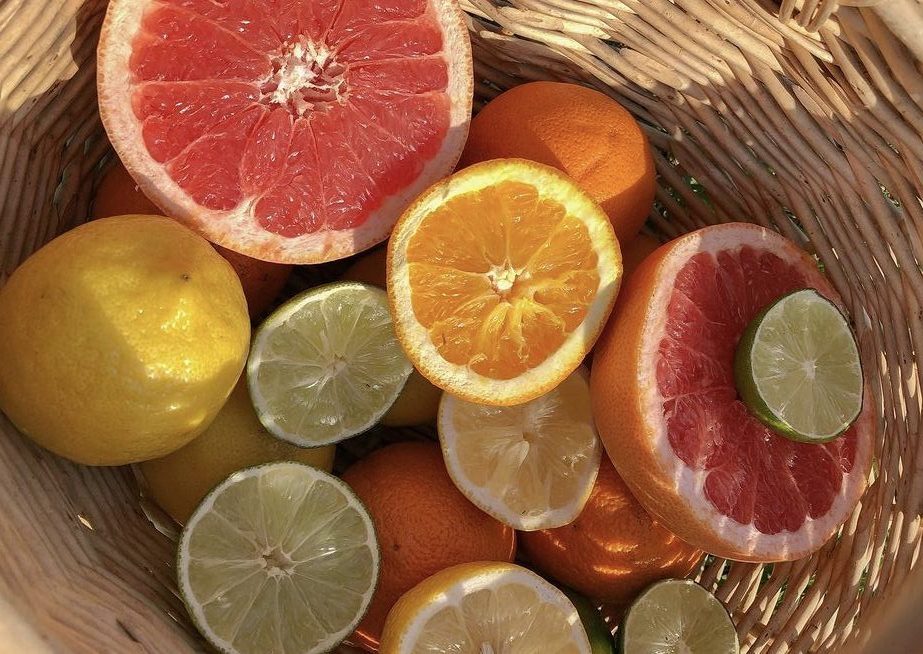
During the follicular phase, when estrogen levels are rising, focus on incorporating foods rich in iron, vitamin C, and B-vitamins. Iron-rich foods such as leafy greens, legumes, and lean meats support replenishment of blood lost during menstruation. Vitamin C aids in iron absorption, so include citrus fruits, berries, and bell peppers in your meals. B-vitamins found in whole grains, eggs, and nuts can help boost energy levels and support a healthy metabolism.
ovulation phase
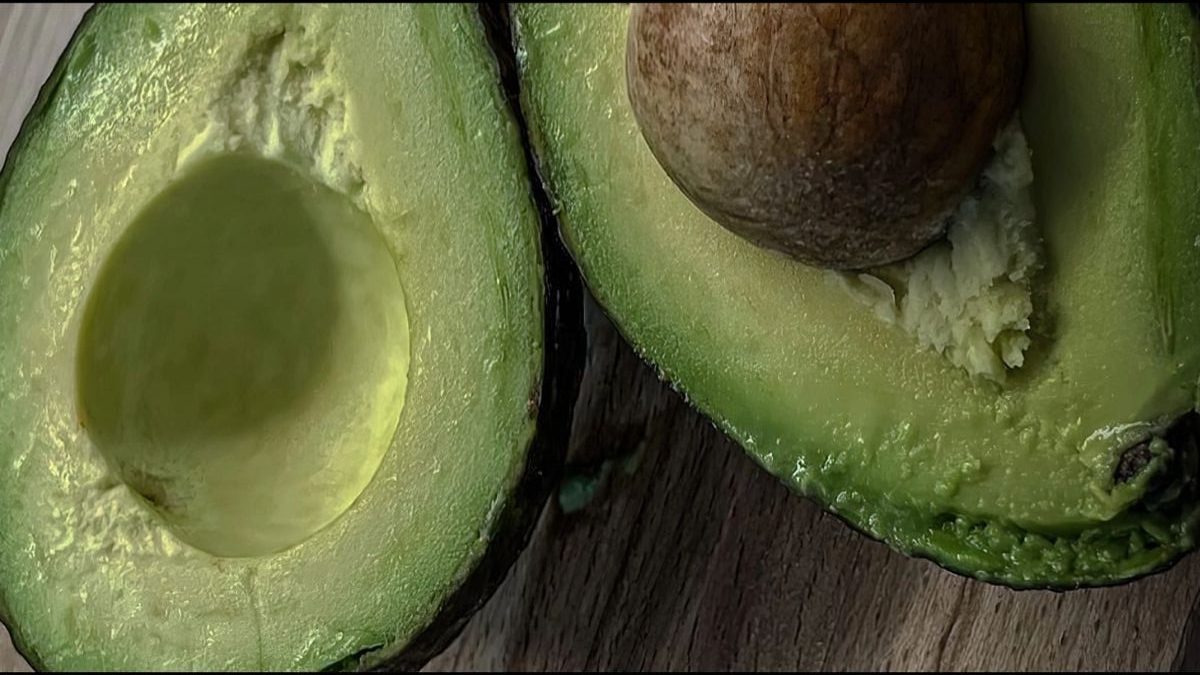
As you move into the ovulation phase, emphasize foods that support hormone production and promote fertility. Include healthy fats like avocados, olive oil, and nuts, which provide the building blocks for hormone synthesis. Incorporate omega-3 fatty acids found in fatty fish, flaxseeds, and chia seeds, as they have anti-inflammatory properties and support hormonal balance.
luteal phase
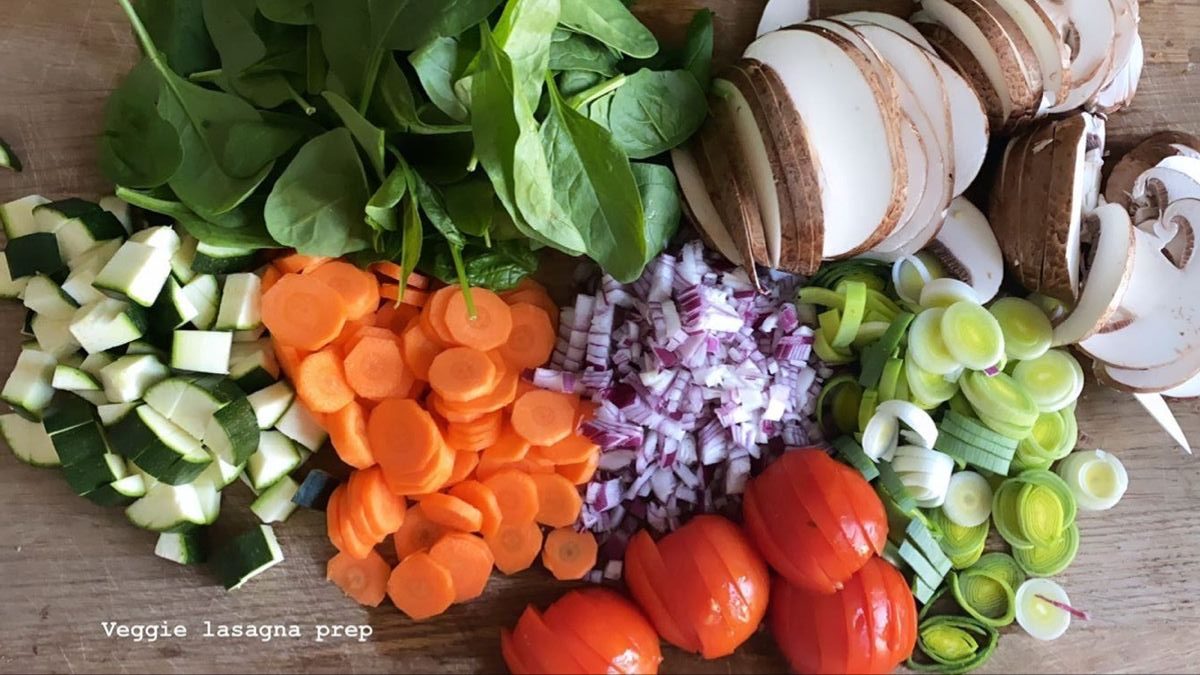
During the luteal phase, when progesterone levels are elevated, prioritize foods that promote relaxation and reduce bloating. Increase your intake of magnesium-rich foods like dark chocolate, spinach, and almonds, as magnesium helps ease muscle tension and reduce irritability. Focus on fiber-rich foods such as fruits, vegetables, and whole grains to support digestion and minimize bloating. Additionally, herbal teas like chamomile or peppermint can aid in soothing menstrual discomfort.
Remember that cycle syncing is not about strict rules or deprivation but rather about embracing a mindful and intuitive approach to nourishing your body. By aligning your diet with your menstrual cycle, you can optimize your nutritional intake, support hormonal balance, and enhance overall well-being.