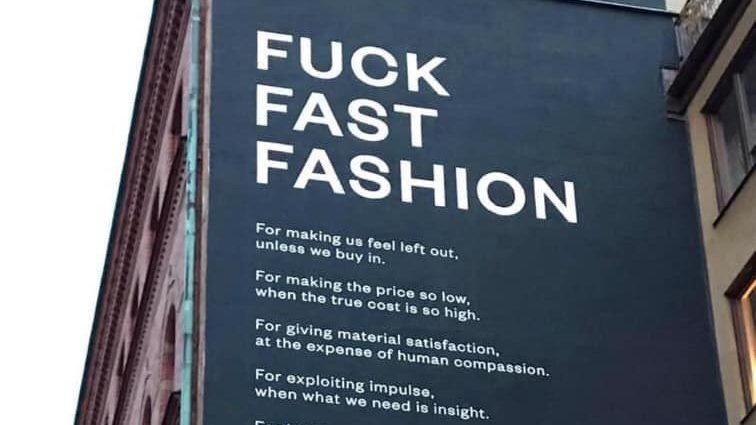
Sustainability is a growing concern in the fashion industry. As consumers become more aware of the environmental impact of fast fashion, they are seeking out brands that are committed to sustainability. In recent years, many fashion brands have responded to this demand by making changes to their production processes, materials, and overall business practices.
Eco-Friendly Materials
One of the main ways that fashion brands are becoming more sustainable is by using eco-friendly materials. This includes materials made from recycled fibers, organic cotton, and other sustainable materials. Brands are also experimenting with new materials, such as pineapple leather and mushroom leather, which have a lower environmental impact than traditional leather.
The use of sustainable materials has become a trend in the fashion industry as more and more brands are trying to manufacture clothing in a more environmentally friendly way. Eco-friendly materials are made from fabrics that have been sourced using sustainable methods. They are typically made from recycled materials or organic cotton. The use of recycled materials is becoming increasingly popular in the fashion industry as it reduces waste, while organic cotton is a more sustainable alternative to traditional cotton, which requires large amounts of water and pesticides to grow.
Production
Another way that fashion brands are becoming more sustainable is by changing their production processes. This includes using renewable energy sources, such as wind and solar power, and reducing waste throughout the production process. Some brands are also experimenting with new business models, such as rental services or clothing swaps, which can help reduce waste and extend the lifespan of clothing.
Reducing Waste
Reducing waste is another important aspect of sustainable fashion. Many fashion brands are now exploring new ways to reduce waste in their production processes. One example of this is the use of zero-waste patterns. These patterns are designed to minimize the amount of fabric that is wasted during the production process. By using zero-waste patterns, fashion brands can significantly reduce the amount of waste that is generated during the manufacturing process.
In addition to these changes, many fashion brands are also taking steps to ensure that their workers are treated fairly and paid a living wage. This is particularly important in countries where labor laws may be less strict, and workers may be more vulnerable to exploitation. Brands are now more aware of the ethical implications of their production processes and are working to ensure that their workers are treated fairly and with respect. This has resulted in a shift towards more ethical business practices in the fashion industry.
Overall, the rise of sustainable fashion is a positive development for both consumers and the environment. By supporting brands that are committed to sustainability, consumers can help reduce the environmental impact of the fashion industry and promote more ethical business practices. As more brands embrace sustainability, it is likely that we will see even more innovative and creative solutions to the challenges facing the fashion industry.
In conclusion, sustainable fashion is the way forward for the industry. Consumers are becoming more conscious of the impact of their purchasing decisions, and it is our responsibility to make better choices. Fashion brands are now taking steps to become more sustainable in their operations, from changing production processes to using eco-friendly materials. The fashion industry has the power to make a significant impact on the planet, and it is heartening to see that so many brands are taking steps towards sustainability. Let us hope that this trend continues, and that sustainable fashion becomes the norm rather than the exception.